Welcome To Our New Website!
Bearnes Voluntary Primary School

Years 1 & 2 Chestnuts

Welcome to Chestnuts Class Page 2026-2027!
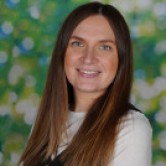
 Paige Bassett

Paige Bassett

Y1/2 Teacher
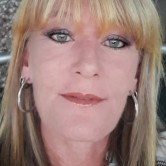
Mrs Sutton, Miss Robbins, Miss Dance, Mrs Sowten

Teaching Assistants

Welcome to our bright and bubbly Year 1 and 2 class! We are a group of curious, kind, and enthusiastic learners who are ready to explore the world around us. Each day is filled with exciting challenges, creative thinking, and lots of laughter as we grow together. From mastering phonics to discovering new maths strategies, we love learning in fun and imaginative ways. Our classroom is a safe, happy space where everyone is valued and encouraged to shine. We can’t wait to see what amazing things this year will bring. Let’s make it the best one yet—together!

Autumn A

Subject

Coverage

How to help at home?

Science Marvelous Materials - During this project, children learn that objects are made from a range of different materials, each with its own characteristics. They identify a variety of everyday materials and explore where these materials come from. Through simple investigations, children examine the properties of materials and begin to recognise that these properties determine how materials can be used. By observing, comparing and discussing their findings, they develop a clearer understanding of why certain materials are chosen for particular purposes.

1. Material Hunt Around the House

Go on a materials hunt around your home. Find and list 5-10 objects made from different materials, such as wood, plastic, metal, glass, fabric or paper.

2. Waterproof Materials Investigation

Collect a few household items made from different materials (e.g. paper, foil, plastic bag, fabric, cardboard).

3. Recycle and Sort Challenge

Look through your recycling box or household waste and sort items into groups according to the materials they are made from.


Geography Map Masters - During this project, children will learn what an atlas is and how it helps us find places around the world. They will use the four cardinal compass points to follow and give directions and will learn how map keys use symbols to show important features. They will then apply these skills to maps of their school grounds. Through simple fieldwork, they will observe, record and discuss how areas around school are used. Finally, they will use online mapping tools to explore the local area.

1. Treasure Hunt with Directions

Create a small treasure hunt around your home or garden using the four compass directions: north, south, east and west.

2. Draw a Map of Your Bedroom

Work together to draw a simple map of your bedroom or another room in your house.

3. Explore Your Local Area

Use an online mapping tool or a paper map to look at your local area.

Design & Techonology Den Designers - During this project, children will learn about the purpose of shelters and the materials used to make them. They name and describe different types of shelters before designing and making their own shelter prototypes. Working as a group, children then design and build a play den and evaluate the effectiveness of their finished product.

1. Shelter Spotter Challenge

Look for different types of shelters when you are out and about, such as houses, sheds, bus stops, playhouses or animal shelters.

2. Build a Mini Den

Use blankets, cushions, chairs, cardboard boxes or other safe household items to build a small den.

3. Materials Test

Collect a selection of materials from around the home, such as paper, fabric, foil, plastic and cardboard.

Autumn B

Science 

Seeing, Smelling and Sensing - 

During this project, children learn that humans are a type of animal known as a mammal. They name and count body parts and identify similarities and differences. They learn about the senses, the body parts associated with each sense and their role in keeping us safe.

1. Senses Scavenger Hunt

Go on a scavenger hunt around your home and garden. Ask your child to find:

  • Something they can see.
  • Something they can hear.
  • Something they can smell.
  • Something they can touch.
  • Something they can taste (with an adult's permission).

2. Body Parts Count and Compare

Ask your child to count their body parts:

  • How many eyes, ears, arms, hands, fingers and toes do they have?
  • Compare your body parts with theirs. What is the same? What is different?
  • Encourage them to use words such as similar, different, more and less.

3. Keeping Safe with Our Senses

Discuss how our senses help keep us safe every day. For example:

  • We use our eyes to look before crossing the road.
  • We use our ears to hear alarms and warnings.
  • We use our nose to smell if food has gone bad.

Ask your child to share examples of how they use their senses to stay safe at home and outside.

History 

Titanic Tragedy - 

During this project, children will learn the story of the Titanic, from its ambitious construction to its tragic sinking on 15th April 1912. Through historical accounts and other sources of evidence, children will uncover the human stories and lessons learned from one of history’s most infamous maritime disasters.

1. Create a Titanic Timeline

Work with your child to create a simple timeline of key events:

  • The Titanic being built.
  • The ship setting sail.
  • The collision with the iceberg.
  • The sinking of the Titanic.

Encourage your child to talk about what happened first, next and last.

2. Family History Detective

Talk to your child about important events in your family's past. Look at old photographs or keepsakes and discuss what they can tell us about history.

Explain that historians use different sources of evidence, such as photographs, newspapers and personal accounts, to learn about events like the Titanic.

3. Design a Safer Ship

After learning about the Titanic, ask your child to draw and label a ship that includes features to keep passengers safe.

They might include:

  • More lifeboats.
  • Safety equipment.
  • Emergency alarms.
  • Clear signs and instructions.
Art

Colour Quest - 

During this project, children explore colour theory by studying the colour wheel, experimenting with colour mixing and learning about primary and secondary colours, before applying their understanding creatively in artwork.

1. Colour Mixing Fun

Using paints, food colouring in water or colouring pencils, encourage your child to experiment with mixing colours.

Can they discover how to make:

  • Orange
  • Green
  • Purple

Talk about which colours are primary colours and which are secondary colours.

2. Colour Hunt Around the Home

Challenge your child to find objects that match the colours on a colour wheel.

Can they find:

  • Something red, blue and yellow?
  • Something orange, green and purple?

Ask them to sort their discoveries into primary and secondary colours.

3. Create a Colour Wheel Masterpiece

Help your child create their own colourful picture using as many colours from the colour wheel as possible.

Encourage them to:

  • Use warm colours (reds, oranges and yellows).
  • Use cool colours (blues, greens and purples).
  • Talk about how different colours can make us feel.

Spring A

Science

Weather Quest - 

During this project, children learn about the seasons, seasonal changes and typical weather and events throughout the year. They learn how to measure the weather and explore the role of a meteorologist. Children also begin to understand the science behind day and night and recognise that the seasons have different day lengths in the UK.

1. Become a Weather Reporter

Encourage your child to observe the weather each day for a week and record:

  • Whether it is sunny, cloudy, rainy or windy.
  • The temperature (if you have access to a thermometer).
  • What clothes are suitable for the weather.

At the end of the week, talk about any patterns they noticed and what a meteorologist does to help predict the weather.

2. Seasonal Nature Walk

Go for a walk and look for signs of the current season. Can your child spot:

  • Changes in trees and plants?
  • Different types of weather?
  • Animals behaving differently?

Discuss how the environment changes throughout the year and what makes each season special.

3. Day and Night Detective

Over a few days, notice what time it gets light in the morning and dark in the evening.

Ask your child:

  • Is the day getting longer or shorter?
  • How do we know when it is daytime and nighttime?
  • Which season do they think has the longest days?
Geography

Place, People and the Planet- 

During this project, children will learn where the equator is and how it helps us understand the world’s hot, cold and temperate regions. They will investigate the geographical features of the United Kingdom, including landscapes, weather patterns and human and physical characteristics. They will then compare the UK with Somalia, identifying similarities and differences in climate, environment and ways of life. Finally, they will explore how places can be cared for and protected and will learn simple ways to help look after the planet.

1. Compare Two Countries

Look at a map or globe together and find the United Kingdom and Somalia.

Talk about:

  • Which country is closer to the Equator.
  • Which country you think is hotter or colder.
  • How the weather might affect what people wear and do each day.

Encourage your child to discuss any similarities and differences they can think of.

2. Explore Your Local Area

Take a walk around your local area and look for human and physical features.

Can your child spot:

  • Human features, such as houses, roads and shops?
  • Physical features, such as hills, rivers, trees or fields?

Talk about how people care for these places and why they are important.

3. Planet Protectors Challenge

Choose one small action your family can take to help look after the planet for a week.

Ideas include:

  • Turning off lights when they are not needed.
  • Recycling household waste.
  • Using a reusable water bottle.
  • Picking up litter safely with an adult.
Design and Technology

Stitch, Sew, Create! 

During this project, children learn about fabric products in the home and are introduced to basic textile skills. They learn to read simple sewing patterns and practise key techniques, including the running stitch and adding embellishments. Children then apply these skills to design and make their own sewn bag tag.

1. Fabric Hunt Around the Home

Challenge your child to find different fabric items around the house, such as:

  • Clothing
  • Towels
  • Cushions
  • Curtains

Talk about the different textures, colours and patterns. Ask your child why different fabrics are used for different purposes.

2. Practise a Running Stitch

Using a piece of card with holes punched around the edge and some wool or string, encourage your child to practise threading in and out to create a simple running stitch pattern.

This helps develop the fine motor skills needed for sewing and builds confidence before using a needle.

3. Design a Bag Tag

Invite your child to design a bag tag on paper before making it in class.

They could:

  • Draw a favourite animal or character.
  • Add their initials.
  • Choose colours and decorations they would like to use.


Spring B


History

Flight Through Time - 

During this project, children will learn about the history of flight and how human invention and brave aviators have changed the world of aviation and our everyday lives. Using a range of different sources, they will learn key facts about the history of flight, from the first flight of the Wright brothers to the invention of the jet engine by Frank Whittle. They will also learn how brave aviators, such as Bessie Coleman and Amy Johnson, blazed a trail for others and broke barriers of race and gender before considering how flight impacts people's everyday lives.

1. Flight Through Time

Talk with your child about how people travel today compared to 100 years ago.

Can they put these forms of transport in order from oldest to newest?

  • Hot air balloon
  • Aeroplane
  • Jet aeroplane
  • Helicopter

Discuss how inventions in flight have changed the way people travel around the world.

2. Aviation Heroes Research

Choose one famous aviator, such as Amy Johnson, Bessie Coleman, or the Wright brothers, and find out three interesting facts about them together.

Encourage your child to think about:

  • What made them special?
  • What challenges did they overcome?
  • How did they change the world of aviation?

3. How Flight Helps Us

Look for examples of how flight affects everyday life.

Talk about how aircraft are used for:

  • Holidays and travel
  • Delivering goods
  • Emergency services
  • Firefighting and rescue missions
Science

Roots, Shoots and Fruits!

During this project, children learn about wild and garden plants by exploring the local environment. They identify and describe the basic parts of plants and observe how these parts change over time. Through hands on investigation, children begin to develop a clear understanding of how plants grow and function.

1. Plant Detective

Go on a walk in your garden, local park or neighbourhood and look for different plants.

Can your child:

  • Find a wild plant and a garden plant?
  • Spot flowers, leaves, stems and roots (where visible)?
  • Describe the colours, shapes and sizes of the plants they see?

Encourage them to talk about the similarities and differences between plants.

2. Grow Your Own Plant

Plant a seed or bulb together and observe it over several weeks.

Ask your child to:

  • Draw a picture of the plant each week.
  • Measure how tall it has grown.
  • Notice any changes to the leaves, stem or flowers.

Discuss what plants need to grow healthy and strong.

3. Parts of a Plant Hunt

Choose a plant and see if your child can identify its different parts:

  • Roots
  • Stem
  • Leaves
  • Flower

Talk about the job of each part. For example, roots help the plant take in water and keep it anchored in the ground, while leaves help the plant make food.

Art

Floral Forms 

During this project, children learn about the visual elements of flowers, including shape, texture, colour, pattern and form. They explore a range of artistic techniques, such as drawing, printmaking and creating 3 D forms, using materials like paper and clay. Through this work, children develop their observational skills and learn how artists use different methods to represent natural forms.

1. Flower Spotter Challenge

Take a walk in your garden, a park or your local area and encourage your child to look closely at flowers.

Can they describe:

  • The shape of the petals?
  • The colours they can see?
  • Any patterns or textures?

Encourage them to make a quick sketch of their favourite flower and include as much detail as possible.

2. Nature Printing

Collect a few fallen leaves, flowers or petals and use them to create prints at home.

Your child could:

  • Dip them in paint and press them onto paper.
  • Arrange them into repeating patterns.
  • Compare the different shapes and textures they create.

Talk about how artists use printmaking to create interesting effects.

3. Create a 3D Flower

Using paper, recycled materials, playdough or clay, help your child create a flower model.

Encourage them to:

  • Think carefully about the flower's shape and form.
  • Add details such as petals, leaves and stems.
  • Choose colours that match a real flower or invent their own.


Summer A


Geography

Journey To The Coast 

During this project, children will learn where the United Kingdom is located and will explore the physical and human features of the British coastline. They will use maps to investigate features such as cliffs, beaches, harbours and seaside settlements. They will then explore tourism, considering why people visit coastal areas and how the coast shapes the features and character of a place. Finally, they will design an imaginary coastal town, choosing features, services and attractions that would appeal to tourists.

1. Seaside Feature Hunt

If you visit the coast, or look at photographs online or in books, encourage your child to spot different coastal features, such as:

  • Beaches
  • Cliffs
  • Harbours
  • Rock pools

Ask them to describe what they can see and discuss whether the features are physical (natural) or human (made by people).

2. Map Explorer

Look at a map of the United Kingdom together and find some famous seaside towns.

Can your child:

  • Locate the coast?
  • Identify where the land meets the sea?
  • Find a seaside town they would like to visit?

Talk about why people enjoy visiting coastal areas and what activities they can do there.

3. Design Your Dream Seaside Town

Challenge your child to draw and label their own seaside town.

They could include:

  • A beach or harbour
  • Shops and cafés
  • A lighthouse
  • A playground
  • A holiday park or hotel
Science

Fur, Feathers and Fins

During this project, children learn about animals, including fish, amphibians, reptiles, birds, mammals and invertebrates. They identify and describe the common body parts of these groups, explore their diets and learn how different animals should be cared for. Through this study, children develop a clearer understanding of the diversity of the animal kingdom.

1. Animal Group Sorting

Look through books, magazines or online images and ask your child to sort animals into different groups:

  • Mammals
  • Birds
  • Fish
  • Reptiles
  • Amphibians
  • Invertebrates

Talk about the characteristics of each group and what makes them similar or different.

2. Pet Care Helper

If you have a pet, encourage your child to help care for it (with adult supervision).

Discuss:

  • What the animal eats.
  • How it stays healthy.
  • What it needs to be happy and safe.

If you do not have a pet, choose a favourite animal and find out how people care for it in zoos, farms or wildlife centres.

3. Animal Body Parts Hunt

Choose a variety of animals and compare their body parts.

Can your child identify:

  • Wings, fins or legs?
  • Fur, feathers or scales?
  • Beaks, mouths or tails?
Design and Technology

Seaside Structures 

During this project, children learn to make and strengthen structures, exploring different techniques for securely joining materials. Through hands on investigation, they learn how design choices affect stability and function.

1. Tower Builders

Using everyday items such as building blocks, paper cups, cardboard boxes or recycled materials, challenge your child to build the tallest tower they can.

Talk about:

  • What made the tower strong?
  • Which shapes worked best?
  • What caused the tower to wobble or fall over?

Encourage them to make improvements to their design.

2. Join and Test

Provide a selection of materials and joining methods, such as:

  • Tape
  • Glue
  • String
  • Split pins

Ask your child to join pieces of paper or card together and test which method creates the strongest structure.

Discuss why some joins are more secure than others.

3. Structure Spotter

Look around your home or local area for different structures, such as:

  • Bridges
  • Fences
  • Play equipment
  • Buildings


Summer B


History

Age Of The Aztecs 

During this project, children will learn how the Aztec civilisation developed in Mexico 500 years ago. They will explore the city of Tenochtitlán through an eyewitness account and map, and learn about aspects of everyday life. They will also find out about the importance of religious beliefs – and chocolate – in Aztec culture. At the end of the project, the children will learn how the arrival of the Spanish explorer and conqueror, Cortés, quickly brought the Aztec civilisation to an end.

1. Chocolate Investigation

The Aztecs valued chocolate very highly. Together, explore foods that contain chocolate and talk about where chocolate comes from.

Ask your child:

  • Have they ever seen a cocoa bean?
  • Why do they think chocolate was so important to the Aztecs?
  • How is chocolate enjoyed today compared to Aztec times?

2. Create an Aztec City Map

Using paper and pencils, help your child design a simple map of an imaginary city.

Encourage them to include:

  • Roads or pathways
  • Homes
  • Temples
  • Markets
  • Waterways

Talk about why the Aztec capital, Tenochtitlán, was built on an island and how people travelled around the city.

3. Be an History Detective

Look at pictures of Aztec artefacts, buildings or artwork in books or online.

Ask your child:

  • What can they see?
  • What does it tell them about Aztec life?
  • What questions would they like to ask someone who lived there?
Science

Mangrove Mission 

During this project, children will learn what a mangrove forest is and why it is an important habitat. They will explore and create mangrove forest food chains, and use the terms producer, consumer, predator and prey as they work. They will then investigate how mangrove roots affect soil erosion, discover how human activity can harm mangrove forests, and consider the consequences. Finally, they learn how people can help protect these vital habitats and use technology to create a video to share their understanding with others.

1. Food Chain Challenge

Choose a habitat you know, such as a garden, woodland or pond, and work together to create a simple food chain.

Can your child identify:

  • A producer (plant)
  • A consumer (animal)
  • A predator
  • A prey

Talk about what might happen if one part of the food chain disappeared.

2. Stop the Soil Erosion Experiment

Fill two trays with soil. Leave one tray uncovered and place grass, leaves or small plants on the other.

Slowly pour water over both trays and observe what happens.

Ask your child:

  • Which tray lost the most soil?
  • How did the plants help?
  • How might mangrove roots help protect coastlines from erosion?

3. Habitat Heroes

Talk about ways people can help protect important habitats such as mangrove forests.

Can your family:

  • Recycle more often?
  • Reduce litter and plastic waste?
  • Take part in a local clean-up?
  • Save water and energy at home?
Art

Creative Collections - 

During this project, children learn about the work of significant still-life artists and the techniques used in still-life art. They explore a wide variety of still-life compositions, learning how artists use colour, shape, and arrangement to create impact. Children then apply these skills by creating their own still life setups and artwork.

1. Create a Still Life Display

Gather a selection of everyday objects, such as fruit, flowers, toys or household items, and arrange them on a table.

Ask your child to think about:

  • Which objects look good together?
  • How can they arrange them to make the display interesting?
  • Which object stands out the most?

Encourage them to draw what they see.

2. Shape and Colour Hunt

Look at objects around your home and discuss the different:

  • Shapes (circle, oval, rectangle, triangle)
  • Colours
  • Patterns
  • Textures

Ask your child to sort objects by shape or colour and explain their choices. This will help them notice the details artists look for when creating still-life artwork.

3. Mini Artist Challenge

Choose three simple objects and ask your child to sketch them as carefully as possible.

Encourage them to:

  • Look closely before drawing.
  • Notice the size and shape of each object.
  • Add colour to match the real objects.

How can I help my child at home?

Let your child read their phonics book to you at least 3 times a week. 

Log into PhonicsBug and allow your child to complete their allocated activities - please follow the link below. Your child's account details would have been sent to you via ClassDojo. Children will be set work weekly - linked to the sounds they have learnt that week. 

ActiveLearn: Login

Staffing: Please come to speak to us at drop off and pick up. We are always around for the big and small messages.

Miss Bassett (Mon, Tues, Wedn, Fri)

Mrs Minifie (Thurs)